General Contractor Solutions: Guaranteeing Your Project Achieves Success
General contractor services play a vital role in the building industry. They oversee the complexities of building endeavors, making sure all aspects proceed efficiently from beginning to end. Their responsibilities include securing permits, coordinating subcontractors, and maintaining budgets. Despite these crucial functions, numerous clients are still uninformed of how to select the right contractor or the challenges these professionals face. Understanding these aspects can greatly impact project success, inspiring additional inquiry into the details of their offerings.
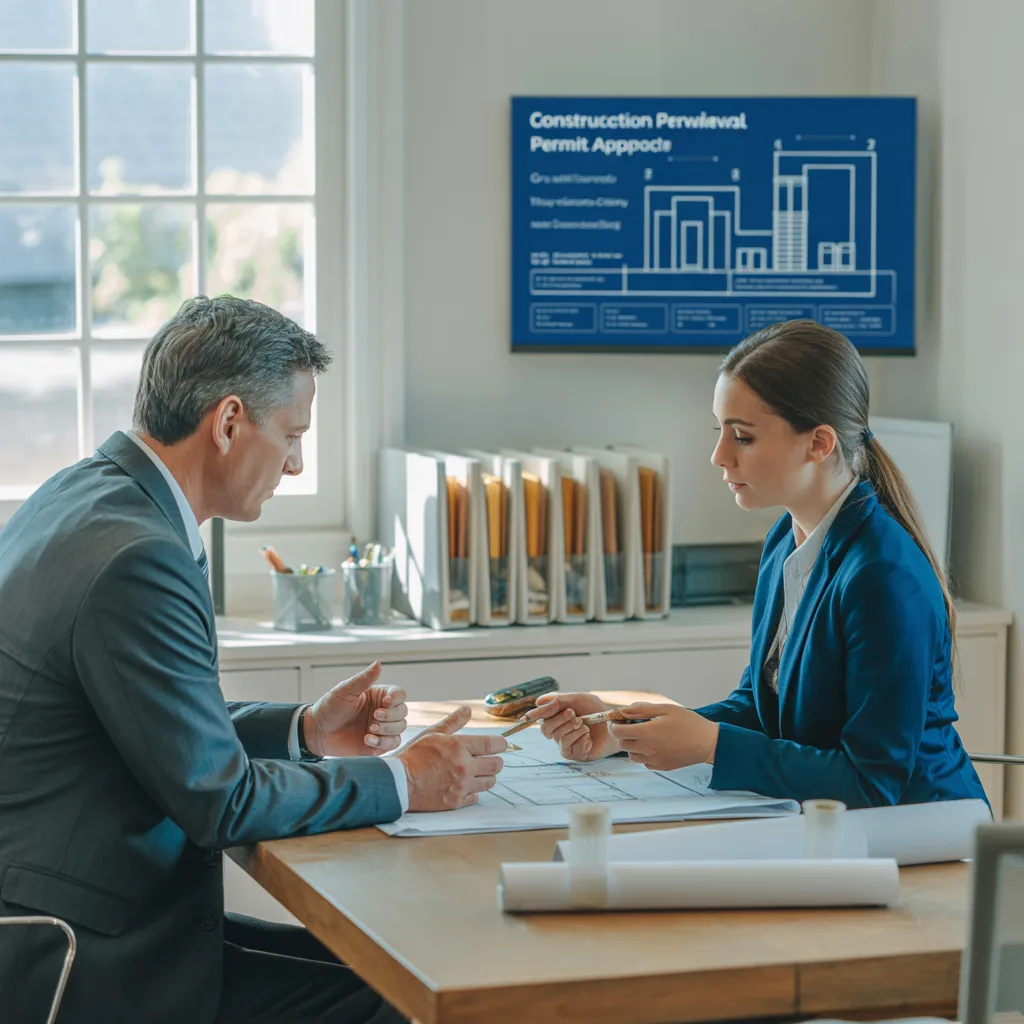
Main Services That General Contractors Offer
General contractors fulfill an essential purpose in the building industry by offering a variety of core services. They take charge of managing the complete construction process, making certain that projects are finished punctually and within budget. Primary services involve project management, where they manage multiple tasks and subcontractors, guaranteeing seamless communication and workflow. In addition, they oversee procurement, acquiring materials and equipment required for the project while establishing agreements with suppliers.
General contractors additionally ensure compliance with local building codes and regulations, safeguarding the project against legal complications. They frequently perform site inspections to oversee progress and copyright quality standards. Furthermore, they oversee budgets, monitoring expenses and resolving any financial challenges that may emerge. Through these thorough services, general contractors function as the key figure in construction projects, supporting a fluid and productive execution from beginning to end. Their knowledge is critical for accomplishing desired goals in construction projects.
Understanding the Role of a General Contractor
The position of a general contracting professional includes a series of key obligations that secure the efficient completion of construction projects. Effective communication is crucial, as it supports coordination among key stakeholders, including suppliers, clients, and subcontractors. Recognizing these elements is important for appreciating the value a general contractor provides to each project.
Primary Responsibilities Identified
Maneuvering the challenges of construction projects requires a clear understanding of the key roles held by a general contractor. Essentially, a general contractor manages the entire construction process, collaborating between various subcontractors and guaranteeing that work aligns with the project timeline and budget. They are tasked with obtaining necessary permits and licenses, managing procurement of materials, and carrying out regular site inspections to preserve quality standards. Moreover, they function as the primary point of contact for the client, handling any concerns that develop during the project. By efficiently overseeing resources and timelines, the general contractor is instrumental in minimizing delays and guaranteeing that the project complies with safety regulations and building codes, ultimately driving project success.
Value of Effective Communication
Strong communication acts as the foundation of thriving construction project oversight. General contractors need to accurately convey information among clients, suppliers, and subcontractors to guarantee project goals are met. This encompasses reviewing budgets, timelines, and design requirements, which are essential for keeping projects on track. Miscommunications can result in expensive setbacks and inferior outcomes, underscoring the importance of clarity in all interactions. Frequent check-ins and transparent communication promote cooperation and aid in detecting challenges before they become serious. Additionally, a general contractor's ability to translate technical jargon into layman's terms boosts client awareness and contentment. At its core, clear communication not only optimizes the construction workflow but also cultivates reliability between all stakeholders, leading to successful project outcomes.
What to Look for When Choosing a General Contractor for Your Project
Selecting the most suitable contractor for a project can greatly affect its outcome. Those seeking contractors should commence by investigating the contractor's credentials, including licenses, coverage, and bonding, which are important indicators of trustworthiness. Recommendations from family, friends, or industry experts can deliver valuable insights into a general contractor's track record and prior experience.
Furthermore, examining portfolios and case studies assists in evaluating a contractor's background in comparable projects. It is essential to conduct interviews, raising detailed questions about their process, timeframes, and strategies for resolving challenges. Obtaining multiple bids allows clients to compare costs, yet the most affordable bid is not always the wisest selection; expertise and quality ought to play a significant role in the final choice.
Finally, evaluating communication approaches and confirming alignment with project expectations is essential. A contractor who listens and understands the client's vision can foster a collaborative environment, contributing to the achievement of outstanding project outcomes.
How Effective Communication Enhances Construction Projects
Effective communication acts as a cornerstone for successful construction projects, guaranteeing that every participant stays coordinated throughout the process. Reliable communication pathways support the dissemination of crucial information, spanning technical specifications and deadlines. This clarity helps to prevent misunderstandings, decreasing the risk of time-consuming errors and corrections.
Consistent updates and feedback cycles foster cooperative work among architects, engineers, and contractors, nurturing a cohesive environment. When expectations are clearly articulated, team members can focus on their respective responsibilities with assurance, knowing they are aligned with a shared objective.
Moreover, resolving problems efficiently through honest discussion minimizes tension and builds trust among participants. This forward-thinking method not only improves issue resolution but also cultivates a sense of responsibility. At its core, the application of powerful communication methods substantially advances the general success and effectiveness of construction initiatives, opening the door to prompt project finalization and exceptional end results.
How Contractors Handle Your Budget and Timeline
Effective budget estimation and timeline management are essential elements in the construction process. Contractors apply thorough planning and careful resource distribution to ensure construction efforts remain financially sound while meeting deadlines. By balancing these factors, they elevate the overall success of projects and strengthen client relationships.
Precise Budget Estimation
Exact budget forecasting is vital to the success of every construction project, as it directly affects both the financial and timeline aspects. General contractors employ comprehensive cost assessment methods, including in-depth material and workforce evaluations, to determine an effective budget. They frequently depend on historical data and current market trends to estimate expenditures reliably. By factoring in potential risks and unanticipated costs, contractors develop a sound fiscal plan that shields clients from cost overruns. Additionally, they work closely alongside suppliers and subcontractors to obtain favorable pricing, ensuring that the budget remains aligned with project goals. This careful methodology not only fosters trust but also enhances project efficiency, ultimately contributing to the successful completion of the construction endeavor.
Efficient Timeline Management
Excelling at timeline management is essential for general contractors as it significantly affects both overall project timelines and staying within budget. Effective project managers employ thorough scheduling strategies, utilizing project management software to build detailed project plans that map out each stage of the project. These professionals pinpoint important project goals and manage resources effectively, making sure deadlines are consistently met. Ongoing project evaluation enables prompt corrections, limiting disruptions from unanticipated events. Furthermore, transparent interaction with suppliers and project partners promotes collaboration and accountability, optimizing the construction process. By maintaining a clear focus on project timelines and financial limits, construction managers can manage difficulties with confidence, reliably completing projects that align with client goals while staying within budgetary boundaries. Such a methodical strategy is key to achieving excellence in construction.
Typical Issues General Contractors Resolve
Navigating the challenges of construction projects presents numerous difficulties for general contractors. One of the primary concerns is the oversight of various subcontractors, each requiring effective communication and oversight to ensure timely completion. In addition, unexpected delays often occur due to supply chain disruptions, adverse weather, or unexpected site challenges, necessitating quick decision-making abilities. Budget constraints also pose significant challenges, as contractors must weigh cost efficiency against quality standards while meeting client expectations. Compliance with local regulations and building codes adds another layer of challenge, requiring contractors to keep up to date on legal requirements. Beyond that, cultivating open communication channels and addressing client expectations can be challenging, particularly when clients introduce alterations partway through construction. At the core of it all, general contractors must address these hurdles with proficiency and resourcefulness to ensure project success while maintaining high standards of quality and safety.
Enduring Rewards of Working with a Qualified General Contractor
Belief in professional expertise frequently helps clients understand the long-term benefits of working with an experienced general contractor. These specialists provide a wealth of experience that ensures work is finished to high standards. Their expertise in handling timelines and budgets effectively minimizes costly delays, which can greatly impact the total financial stability of a project.
Furthermore, expert contractors possess vast networks of dependable subcontractors and suppliers, facilitating premium services and materials. This network frequently leads to exceptional workmanship and fewer future problems, ensuring lasting quality.
In addition, a proficient contractor can handle challenging regulations and permits, ensuring compliance and lowering the risk of legal complications. Their proactive problem-solving skills can also check here tackle unforeseen challenges effectively, maintaining the project's integrity. Ultimately, hiring a experienced general contractor not only improves the short-term results but also supports the enduring value of the investment.
Questions We Are Often Asked
What Qualifications Are Important When Choosing a General Contractor?
When selecting a general contractor, you should evaluate credentials, experience, references, licensing, insurance, and communication skills. A skilled contractor demonstrates professionalism, reliability, and a proven track record of successful project management and client satisfaction.
How Do General Contractors Deal With Permits and Inspections?
General construction managers handle inspections and permits by obtaining necessary approvals from municipal authorities, guaranteeing adherence to established building regulations. They coordinate inspection schedules, handle concerns without delay, and maintain communication with stakeholders to support the advancement of the project.
Can I Hire a General Contractor for Small Projects?
Certainly, people can hire contractors for small-scale projects. Several contractors supply services designed for minor repairs and renovations, providing quality workmanship and alignment with local regulations, greatly simplifying the experience for homeowners.
What Insurance Should a General Contractor Carry?
A general contractor must maintain commercial auto insurance, general liability insurance, and workers' compensation coverage. These insurance types cover employee injuries, potential damages, and vehicle-related incidents, guaranteeing financial security for both the contractor and clients during ongoing projects.
What Are the Steps to Resolve Disputes With My Contractor?
To resolve disputes with a contractor, one should start by discussing their issues face to face. If the issue persists, reviewing the contract and seeking mediation or legal advice can help facilitate a fair resolution and protect their interests.